
LATEST COMMENTARY
FIVE THINGS TO KNOW
MCT READER PULSE · MCT-PULSE-2026-017
MCT READER SURVEY
Gaano ka nagtitiwala na tama ang ginagawa ng Kongreso sa budget ng bayan?
This is an informal survey of people who choose to participate. It is not a scientific or nationally representative sample.
ABOUT FIXING A MISTAKE ON YOUR CREDIT REPORT: FIVE THINGS TO DO
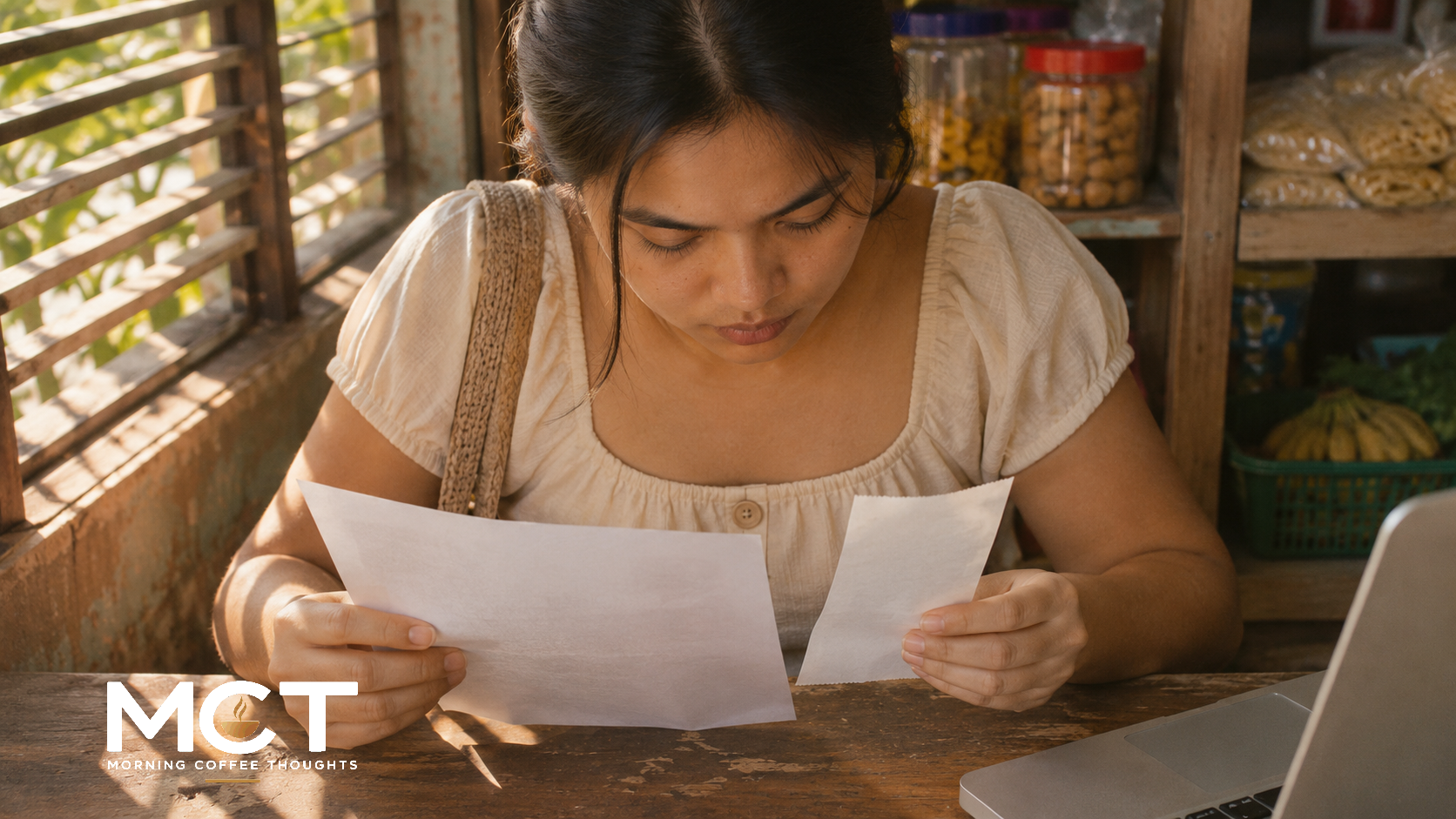
You may be planning your next loan or applying for a new credit card. Before approving it, a lender wants to know whether you can manage another repayment and how you handled previous debts. Your credit history and score can influence that decision.
That is why a paid loan still showing as unpaid matters. An incorrect entry can distort the record the lender uses to assess you. Checking the detailed credit report helps you spot the mistake and seek a correction before it complicates your next application.
1
KNOW HOW YOUR CREDIT RECORD AFFECTS YOUR NEXT APPLICATION
When you apply for a personal loan, housing loan or credit card, your borrowing and payment record helps the lender assess how likely you are to repay. Depending on the product and lender, it can influence approval, the amount or credit limit offered, and the loan's interest rate or repayment terms. A good record may help you get better terms, but it does not guarantee them.
The lender also considers your income, existing debts and ability to afford another payment. A high score does not mean every loan amount is affordable or will be approved. During an application, the lender may obtain a credit report with your authorization. Ask what documents it actually needs before paying for a report or score yourself. Checking your own copy gives you a chance to find errors early.
The Credit Information Corporation (CIC) is the Philippines' public credit registry. Banks and other participating lenders submit borrowing and payment information to it. Your CIC report brings those records together, including identifying details that help match the accounts to you. It can contain both timely payments and missed payments.
A credit bureau can use credit information to calculate a score, a number estimating how likely a borrower is to repay. The score alone cannot tell you which payment is missing or which balance is wrong. For that, you need the detailed report. Check your personal information, each lender and account, the outstanding balance, payment history and any dates showing when the information was updated.
If an application was refused because of CIC credit data, you have the right to ask the lender why. Ask which entry affected its decision. That gives you something specific to examine instead of assuming that every rejection means you have an incorrect record.
2
GET A RECENT REPORT AND CHECK ALL THE ENTRIES
You can request your own report even when you are not applying for credit. Available routes include Lista through CIBI, CreditMo through Island Credit Solutions, CRIF Philippines, and participating institutions in CIC's Direct-to-Consumer program. Use the official access links in SOURCES. Confirm that you are getting a CIC credit report and check the provider's current price before paying. Report access can carry a fee; filing a CIC dispute is free.
For the online dispute, the report must have been issued within the previous 30 calendar days. Save its PDF and its 14-digit Transaction Reference Number (TRN). Use the same email address you used to obtain it. If the TRN is missing or is not recognized, contact the provider that issued the report. An older report means getting a fresh copy before filing.
Look beyond the entry that first caught your attention. Check for an incorrect balance, a settled loan still recorded as outstanding, a duplicate account, wrong personal details, or missing records from a CIC-registered lender. Write down all the corrections you need before submitting: one TRN can cover disputes involving several lenders, but it can be used only once to file.
3
SHOW WHAT IS WRONG AND WHAT SHOULD REPLACE IT
Keep the loan agreement, receipts, account statements and any written confirmation of full payment or settlement. Match the dates and account details against the report. A receipt showing a payment is useful, but you may also need the lender's statement to establish that the payment cleared the whole balance.
For example, if the report shows a ₱5,000 balance that you have fully paid, identify the lender and account, give the payment date, and explain that you want the balance and payment status corrected. List the documents supporting that request. Keep your originals and send copies through the official dispute correspondence when requested.
Regular reporting is not instant. Participating institutions must submit updates within 30 calendar days after the relevant information is made available to them under the reporting rules. Ask the lender when it recorded your payment and submitted the update. That reporting interval is separate from the rule requiring a recent report for a dispute; it does not mean an error can only be challenged after another 30 days.
If an account is unfamiliar, ask the named lender to identify it and investigate. State clearly if you did not open it, and request the records connecting you to the loan. An unfamiliar entry needs checking before you assume either a naming error or identity misuse. Keep your report and ID documents out of public posts.
4
FILE THROUGH CIC AND ANSWER THE FOLLOW-UP MESSAGES
Open CIC's Online Dispute Resolution System using the link in SOURCES. Enter the TRN and matching email address, then follow the identity-verification steps. The current process uses PhilSys and a camera-based liveness check to verify that a real person is completing it. CIC also provides a RE-VERIFY route after two unsuccessful checks, including for users not yet registered with PhilSys; this route requires a PDF copy of the report. Ask the dispute team for help if verification prevents you from continuing.
Identify the institution that supplied each disputed entry and complete the relevant personal-information or account section. Add all disputes before the final submission. If the lender is absent from the list, the form has an “Entity is not in the dropdown list” option; CIC treats that submission as a complaint. Review the completed form and save the acknowledgment email and tracking instructions.
The lender investigates its records and recommends a response; CIC handles the resolution. The rules give simple, complex and highly technical disputes periods of three, seven and 20 working days respectively, counted from receipt of the dispute notice. Extensions may be allowed. These are not a promise that every corrected report will be available within three days.
Reply to requests for evidence promptly. Failure to respond within five working days without a justified reason may end the process. You also have five working days after receiving the lender's recommendation to tell CIC whether you accept or reject it. If you disagree, explain what remains wrong and supply supporting documents. Keep CIC included in the email thread, including any written account of a separate conversation with the lender.
5
VERIFY THE CORRECTION AND UNDERSTAND THE THREE-YEAR RULE
When a correction is upheld, the institution must submit the corrected information. Under CIC's special submission process, the borrower is prompted to obtain a new corrected report free of charge after the correction file is loaded. Ask the dispute team how to obtain that copy, then compare the balance, status and relevant dates with the resolution. If the promised change is missing, follow up in the same thread with the precise mismatch.
Paying a debt does not necessarily remove an accurate history of late payments immediately. Negative information in the CIC database may remain for up to three years after it is rectified through payment or liquidation of the debt, a settlement agreed with the lender, or a court decision clearing the borrower of liability. The clock does not simply start when the loan was taken out or when the first payment was missed. A debt settled this month does not become eligible for removal merely because the original missed payment happened more than three years ago.
The current balance should still accurately reflect the settlement. The three-year retention rule is not permission to keep showing a paid debt as unpaid, and it does not cancel an unpaid debt. If settled negative information remains beyond the permitted period, include that in your dispute and keep proof of the settlement date.
WHAT TO WATCH
Check your inbox and spam folder while the dispute is open. For follow-ups, reply in the existing thread with CIC and the lender. For filing problems, contact the CIC Dispute Resolution Team at [email protected]. A missing or invalid TRN goes first to your report provider. If a later report repeats an error that was already corrected, keep both reports and the earlier resolution for the follow-up.
BOTTOM LINE
Keep the payment evidence, identify the exact entry and follow the dispute through to a corrected report. A lender saying it has updated its records is only part of the job; check that the report another lender will read reflects that change.
SOURCES
- CIC Helpdesk, About your CIC Credit Report: https://creditinfoph.freshdesk.com/support/solutions/articles/33000316017-about-your-cic-credit-report
- CIC Helpdesk, Getting your credit report with credit score: https://creditinfoph.freshdesk.com/support/solutions/articles/33000316018-getting-your-credit-report-with-credit-score
- CIC Direct-to-Consumer access options: https://cic.gov.ph/get-your-credit-report/
- CIC Online Dispute Resolution System: https://www.creditinfo.gov.ph/dispute/
- CIC current filing and identity-verification guide, including dispute-team contact: https://cic.gov.ph/online-dispute-resolution-process-0/
- CIC Helpdesk, How to file a dispute: https://creditinfoph.freshdesk.com/support/solutions/articles/33000316021-how-to-file-a-dispute
- CIC Circular No. 2019-01, dispute classifications, deadlines and resolution: https://www.creditinfo.gov.ph/dispute/public/CIC%20CIRCULAR%20NO.%202019-01%20%28with%20ONAR%20Stamp%20and%20Publication%20Date%29.pdf
- CIC, Special file submission and free corrected reports: https://cic.gov.ph/press-release-special-file-submission-by-financial-institutions-to-expedite-cics-dispute-resolution/
- Republic Act No. 9510, Credit Information System Act: https://lawphil.net/statutes/repacts/ra2008/ra_9510_2008.html
- Implementing Rules and Regulations of the Credit Information System Act: https://cic.gov.ph/implementing-rules-and-regulation-of-the-credit-information-system-act-cisa-republic-act-no-9510/
- TransUnion Philippines, How lenders use credit reports and decide credit applications: https://www.transunion.ph/credit-learning-center/faqs
- BPI, Income, existing obligations and other loan-approval factors: https://www.bpi.com.ph/about-bpi/news/how-to-increase-chances-of-a-loan-approval
- Metrobank, How credit scores affect loan approval, amounts and terms: https://lifebanking.metrobank.com.ph/credit/influence-of-credit-score-on-loan-approvals/
- CIC, Credit registry, credit bureau and score explained: https://cic.gov.ph/submission-data-cic/
GOOGLE PREFERRED SOURCES
FOLLOW MCT ON GOOGLE
Google’s Preferred Sources feature lets you choose publications you want Google to prioritize for you. Select “Add to Preferred Sources” to make MCT easier to find in Top Stories and other eligible Google results. This does not subscribe you to email.