
LATEST COMMENTARY
FIVE THINGS TO KNOW
MCT READER PULSE · MCT-PULSE-2026-017
MCT READER SURVEY
Gaano ka nagtitiwala na tama ang ginagawa ng Kongreso sa budget ng bayan?
This is an informal survey of people who choose to participate. It is not a scientific or nationally representative sample.
ABOUT TORN OR DAMAGED PESO BILLS: FIVE THINGS TO DO BEFORE YOU THROW THEM AWAY
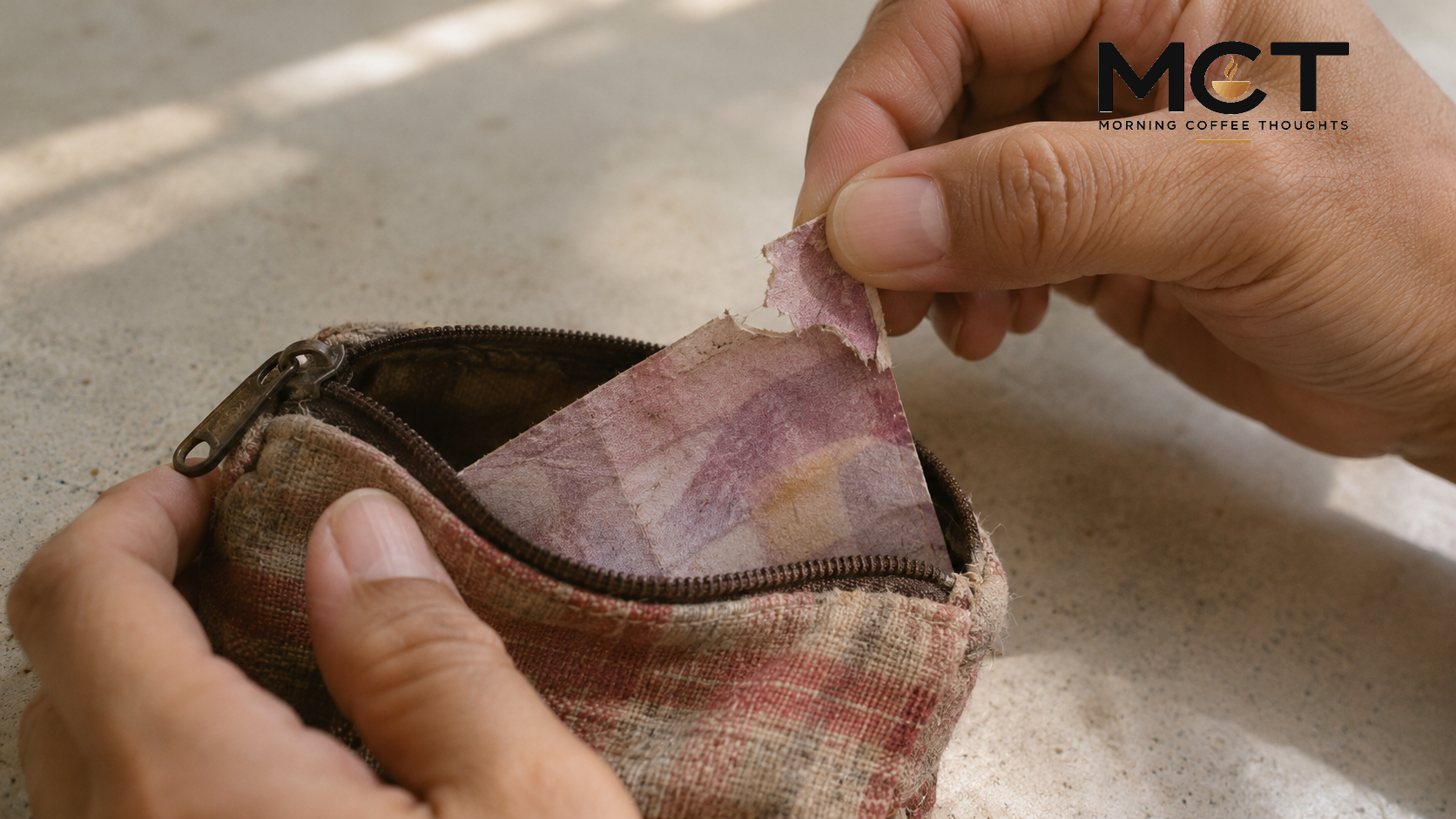
You reach into a pocket after doing the laundry and pull out a peso bill with a corner missing. Is it still worth anything? A bank can exchange a worn note that is unfit to circulate. If the note is badly damaged, take it to a bank so it can be sent to the Bangko Sentral ng Pilipinas (BSP) for a decision.
1
CHECK IF THE BILL IS WORN OR ACTUALLY DAMAGED
A note can be unfit because it is badly soiled, stained, limp, marked up or faded. A tear, a hole, a missing piece or a burn can put it in the damaged category the BSP calls mutilated. This applies to both paper and polymer peso bills.
An ordinary fold by itself is a different case. A folded paper or polymer bill should still be accepted for payment. If the fold is so heavy that the note is breaking apart, or you are unsure what condition it is in, bring it to a bank instead of trying to guess.
2
KEEP THE PIECES AND STOP TRYING TO FIX IT
If there are loose pieces, keep them together in a container that protects them during the trip. Do not trim the edges, tape the pieces together or try to flatten the note with an iron. If it is brittle from a fire, handle it as little as possible. Bring the original pieces rather than relying on a photo.
3
TAKE IT TO A BANK AND ASK WHICH PROCESS APPLIES
Show the bill to the teller and ask how the bank has classified it. Banks are to accept unfit or mutilated Philippine notes from the public. A note classified as unfit can be exchanged for a clean one at no charge. A note classified as mutilated is accepted to be sent to the BSP, not automatically replaced at the counter.
If the bank is keeping the damaged bill for referral, ask for written acknowledgment of what you handed over and how to follow up. The rules allow a reasonable handling or transport fee for a mutilated note sent to the BSP. If the bank quotes a fee, ask what it covers before you leave the bill there.
4
CHECK WHAT IS LEFT, BUT LET THE BSP MAKE THE CALL
For paper notes, the BSP normally looks for at least 60% of the original surface, part of either the President’s or the BSP Governor’s printed signature, and the embedded or windowed security thread. The rules allow exceptions for a missing thread in some cases, such as accidental fire, water damage or insect bites. The note still has to be identifiable, and those exceptions do not guarantee payment.
Do not use that paper-note checklist to judge a polymer note at home. Take the polymer note to a bank too. A note with a visible denomination can still need checking, so do not count on getting its face value back until the BSP decides.
5
FOLLOW UP WITH THE BRANCH THAT TOOK YOUR BILL
Keep the acknowledgment and branch details. Ask the bank when it expects to send the note, how you will hear the result and how you will receive any amount the BSP approves. Bank transport and BSP review are separate steps, so ask what date the bank is using when it gives you a timeline.
If the branch will not accept the bill for referral, ask for the reason and contact the BSP for help. If you want to take a claim directly to a BSP office, check first whether that location handles it and which form and ID you need. Procedures can differ by office and by the kind of damage.
BOTTOM LINE
Keep the pieces and start with a bank. Get the note exchanged if it is only unfit. If the BSP needs to check it, get a record of what you handed over and a way to follow up.
WHERE TO GET HELP
For currency questions, email the BSP at [email protected].
For BSP regional offices and branches, use its official contact page:
https://www.bsp.gov.ph/Pages/AboutTheBank/ContactUs/ContactUs.aspx
SOURCES
- Bangko Sentral ng Pilipinas, Check Your Banknote https://www.bsp.gov.ph/Coins%20and%20Notes/Currency%20Advisories/checkyourbanknoteenglish.pdf
- Bangko Sentral ng Pilipinas, Manual of Regulations for Banks, Part XI https://www.bsp.gov.ph/Regulations/MORB/2023_MORB/2023_MORB_P11/2023_Part%20XI_01%20Miscellaneous%20Banking%20Regulations.pdf
- Bangko Sentral ng Pilipinas, First Philippine Polymer Banknote Series guide https://www.bsp.gov.ph/Coins%20and%20Notes/Polymer/Infosheet/FPP_Booklet.pdf
- Bangko Sentral ng Pilipinas, Citizen’s Charter, 2026 second edition, currency services https://www.bsp.gov.ph/CitizensCharter/BSPCitizensCharter.pdf
- Bangko Sentral ng Pilipinas release carried by the Philippine Information Agency, acceptance of unfit and mutilated currency https://pia.gov.ph/press-release/bsp-to-banks-accept-unfit-and-mutilated-currency-from-the-public/
GOOGLE PREFERRED SOURCES
FOLLOW MCT ON GOOGLE
Google’s Preferred Sources feature lets you choose publications you want Google to prioritize for you. Select “Add to Preferred Sources” to make MCT easier to find in Top Stories and other eligible Google results. This does not subscribe you to email.