
LATEST COMMENTARY
FIVE THINGS TO KNOW
MCT READER PULSE · MCT-PULSE-2026-017
MCT READER SURVEY
Gaano ka nagtitiwala na tama ang ginagawa ng Kongreso sa budget ng bayan?
This is an informal survey of people who choose to participate. It is not a scientific or nationally representative sample.
ABOUT THE BANK ACCOUNT YOU STOPPED USING: FIVE CHECKS BEFORE YOU LEAVE IT ALONE
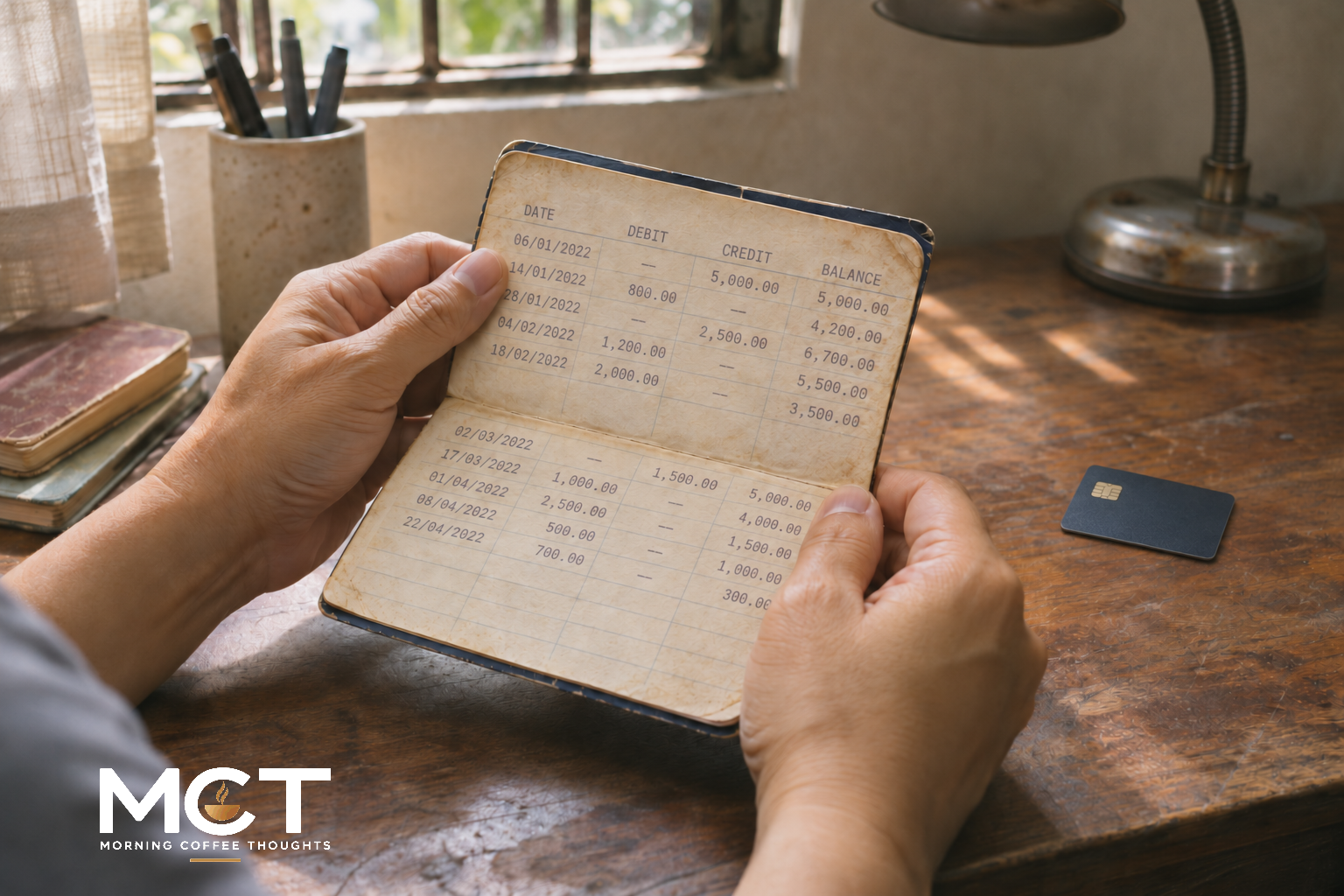
An old payroll account. A passbook tucked behind receipts. A small balance you meant to withdraw after changing jobs. Sayang din, but the account slips out of your routine until a notice arrives.
Before sending money into it or assuming the balance is gone, find out its status. Dormant does not mean the same thing as closed, and a dormancy fee is not the same charge as a fee for falling below the maintaining balance.
1
CHECK WHEN YOU LAST USED IT
Savings accounts become dormant after two years without a deposit or withdrawal; current or checking accounts after one year. Check the last transaction, not just when the account was opened.
Ask the bank whether the account is active, dormant or already closed. Do not treat an app login or an old ATM card as proof that everything still works. Have the account details ready when contacting the bank through its official channel.
2
IDENTIFY THE ACTUAL FEE
A bank may charge a dormancy fee only five years after the last account activity, with the balance below the minimum monthly average daily balance, if any, and after the notices set by BSP rules. The ceiling is ₱30 a month. Becoming dormant at one or two years does not, by itself, start that fee.
The monthly average daily balance is the average of your end-of-day balances across the month, not just the amount left on payday. A below-maintaining-balance fee is separate. BSP rules allow it on active or dormant accounts after the balance stays below the disclosed minimum monthly average daily balance for at least two consecutive months. Ask for the name, amount and dates of each charge rather than treating every deduction as a dormancy fee.
3
CHECK THE NOTICES AND YOUR CONTACT DETAILS
The bank must notify you at least 60 days before the account becomes dormant, then at least 60 days before imposing a dormancy fee. The first notice should explain the effect on the account and how to reactivate it.
Check whether the bank still has an address, email or phone number you use. If a fee looks wrong, request the transaction history and copies of the notices. Keep those records together so the bank can respond to a specific charge.
4
ASK HOW YOUR BANK REACTIVATES THE ACCOUNT
At BPI, reactivation involves updating account information and making a deposit or withdrawal. Its dormant accounts do not earn interest while they remain dormant. That is a BPI condition, not a promise about every bank product.
BDO also ties reactivation to its account procedures. Contact your own bank before making a trip or attempting a transfer. Ask which branch or channel can handle it and what identification or forms to bring. If you no longer want the account, ask about formal closure and collecting any remaining balance instead.
5
DO NOT IGNORE AN UNCLAIMED-BALANCE NOTICE
Ten years without activity can put the account into the unclaimed-balances process. This is not simply another monthly fee. BDO’s terms describe reporting the balance and delivering it to the Treasury when ordered. Do not assume the money automatically disappears on the tenth anniversary.
If you dispute a charge or cannot get a clear explanation, file a formal complaint with the bank first. An unresolved complaint can then go through the BSP Consumer Assistance Mechanism. Keep your complaint, the bank’s reply and supporting records; escalation is not a guarantee of a refund.
BOTTOM LINE
Find the account, check its status and decide what to do with it. Keeping a passbook in a drawer is easy. Leaving the balance, contact details and fees unchecked is what can turn a small forgotten account into an unpleasant errand.
SOURCES
- Bangko Sentral ng Pilipinas, Circular 928, October 24, 2016: maintenance fees, dormant-account definitions and notices. https://www.bsp.gov.ph/Regulations/Issuances/2016/c928.pdf
- Bangko Sentral ng Pilipinas, Memorandum M-2017-025: five-year dormancy-fee threshold, conditions and notice rules. https://www.bsp.gov.ph/Regulations/Issuances/2017/m025.pdf
- BPI, deposit terms effective July 8, 2026, particularly Section 9 on dormant accounts. https://www.bpi.com.ph/personal/bank/terms-and-conditions
- BDO, Terms and Conditions Governing Deposit Accounts, particularly Sections X–XII. https://www.bdo.com.ph/content/dam/bdounibank/en-ph/bbg-marketing/forms/terms-and-conditions/Deposit-Terms-and-Conditions-VJul2024.pdf
- Bangko Sentral ng Pilipinas, Consumer Assistance Channels and Chatbot: escalation and supporting records. https://www.bsp.gov.ph/Pages/Forms/DispForm.aspx?ID=1870
GOOGLE PREFERRED SOURCES
FOLLOW MCT ON GOOGLE
Google’s Preferred Sources feature lets you choose publications you want Google to prioritize for you. Select “Add to Preferred Sources” to make MCT easier to find in Top Stories and other eligible Google results. This does not subscribe you to email.