1
PISA results improve, with a long way still to go
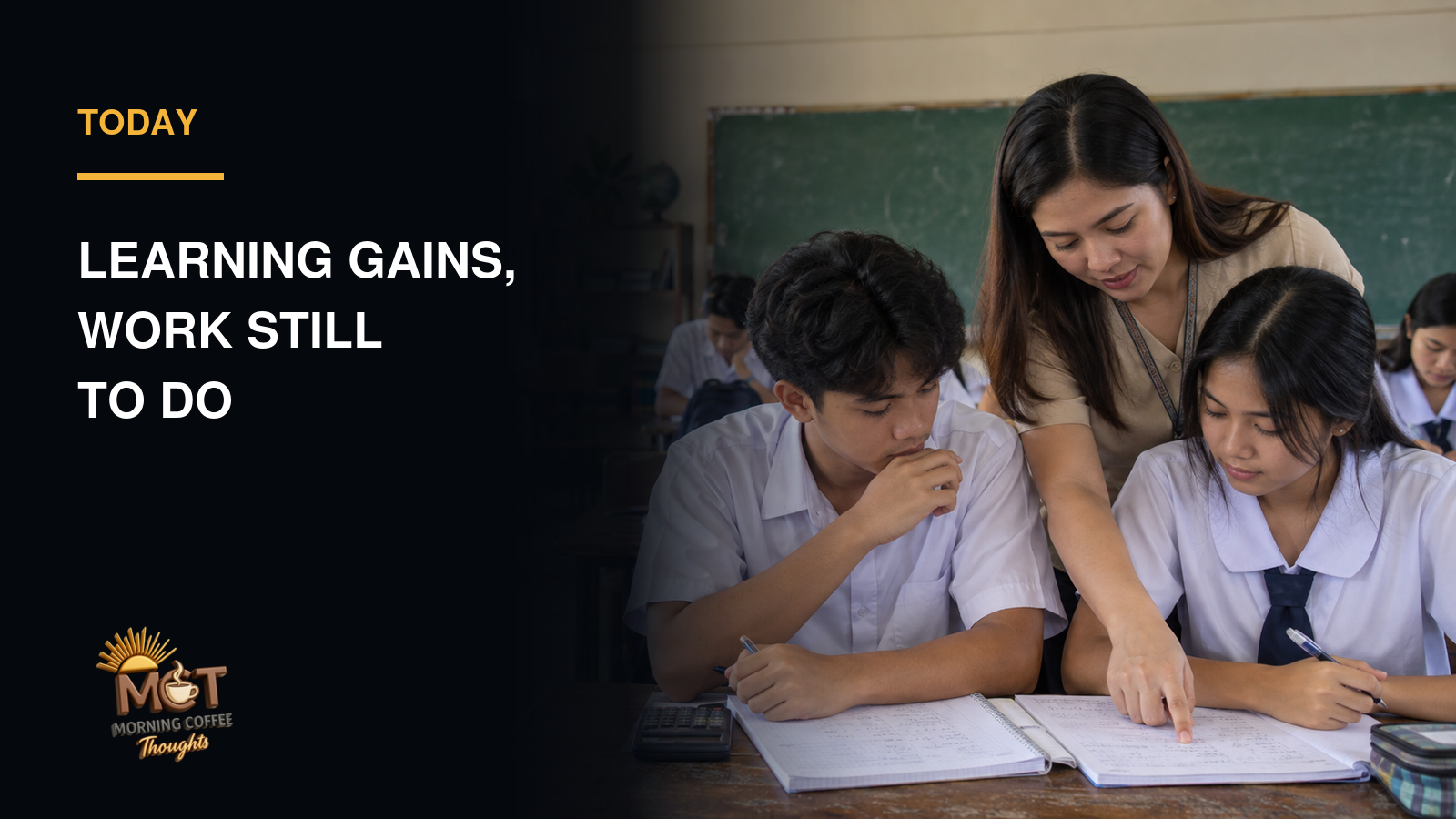
The Philippines improved in mathematics, reading and science in the 2025 Programme for International Student Assessment, or PISA. The results, released on September 8, measure how 15-year-olds apply what they have learned to problems and information they might encounter outside a classroom.
The gains are welcome. They also come with a sobering finding: most Filipino participants remained below the assessment's basic proficiency level. About 21 percent reached at least that level in mathematics, 31 percent in reading and 32 percent in science, according to the Organisation for Economic Co-operation and Development. Philippine averages remained below the OECD average in all three subjects.
That basic level involves skills such as identifying a text's main idea, using mathematics in a straightforward situation and deciding whether a conclusion follows from scientific information. These are foundations for further learning, not specialist skills reserved for top students. The results therefore leave a substantial job for schools, even as they show improvement over earlier assessments.
WHAT TO WATCH
DepEd's response should be measured in the support that reaches classrooms: help for struggling learners, usable teaching materials and evidence that basic reading and numeracy are improving. A higher national score alone cannot show whether a particular child's learning gaps have been addressed.